About AFMC
The African Forum for Muslim Councils (AFMC) is a registered continental non-governmental organization headquartered in Kampala, Uganda.
AFMC serves as the collective voice of National Muslim Councils and Muslim representative organizations across Africa. The Forum provides strategic leadership, coordination, advocacy, and capacity development while facilitating collaboration among member institutions and international partners.
Through partnerships with governments, regional organizations, development agencies, and faith-based organizations, AFMC advances peace, social cohesion, education, humanitarian assistance, and sustainable development throughout Africa
Why We Exist
Our purpose is to mobilize Muslim communities to build a prosperous and peaceful Africa.AFMC believes that faith communities possess enormous social capital capable of contributing to national development, conflict prevention, humanitarian response, and social transformation.
We therefore work to strengthen Muslim institutions while promoting dialogue, justice, good governance, and peaceful coexistence. .
Leadership
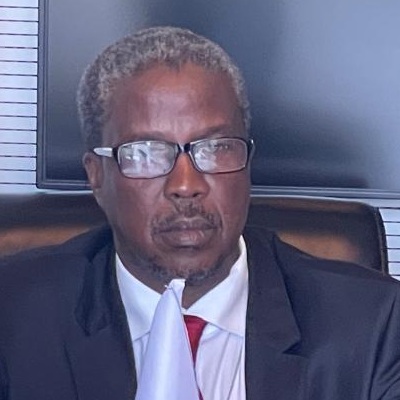
Dr. Sheikh Ebraheem Ssali
Executive Secretary
The AFMC has an administrative body that is responsible for general management, administration and coordination of the council’s activities.
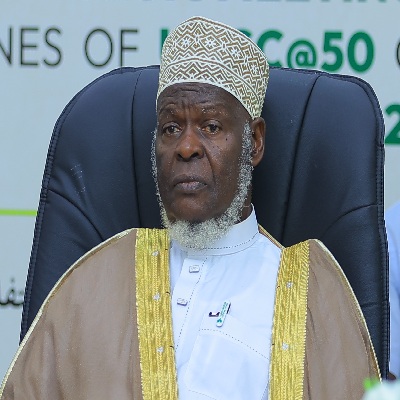
Sheikh Shaban Ramadan Mubajje
Chairman Board of Governors
The Governing Board which currently is composed of senior religious leaders who bear active leadership portfolios in their respective Supreme councils in their countries.
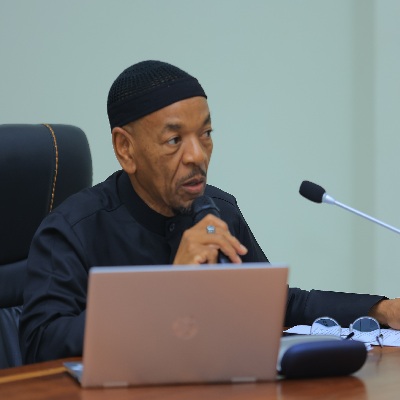
Sheikh Salim Hitimani
The Treasurer
Board of Trustees are members appointed by BOG from within member states to support AFMC
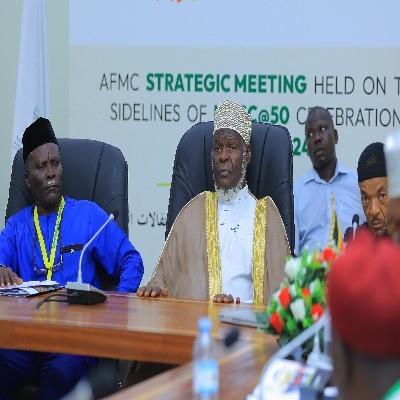
Ambassador Sheikh Saleh Habimana
Associate Executive Secretary
The membership of the Executive Committee shall be a Committee of the Governing Board and shall consist of following persons from among the Governing Board.